
Moreton Island National Park and Quandamooka Country
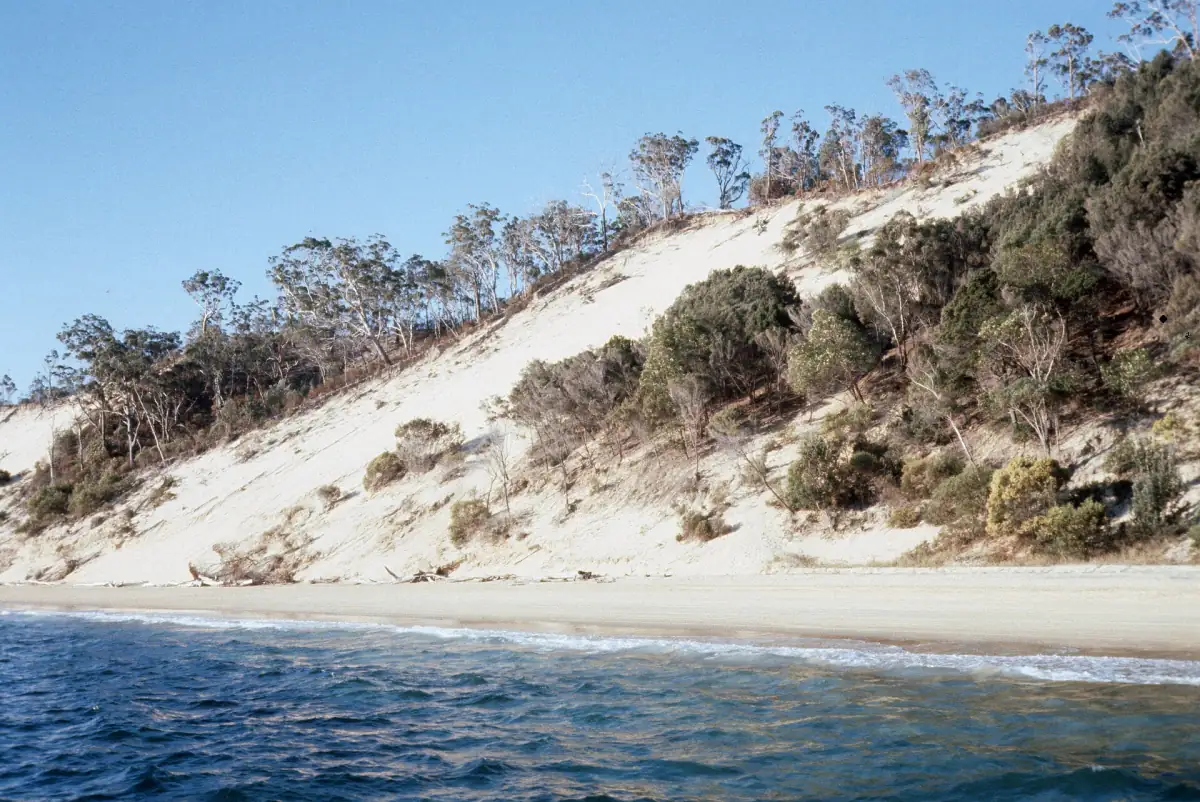
Moreton Island National Park is formally named Gheebulum Kunungai and protects much of Mulgumpin, the traditional land of the Quandamooka People. Traditional Owners and Native Title Holders share management with the Queensland park service. This living connection to Country is part of a visit today, alongside the sand tracks, beaches and coastal vegetation. Treat cultural places and natural features with care rather than taking anything away.
The recreation area includes the beach down to the low-water mark, while surrounding waters are protected through Moreton Bay Marine Park. Planning a land route and planning a boat activity therefore involve different rules. Start by deciding whether a guided island excursion gives you the access you want or whether you are equipped to organise your own vehicle journey.
Explore the island by 4WD
The guided bus day combines island activities; the two-day convoy adds a booked campsite and park access.
Hand-picked tours, booked through Viator and GetYourGuide. Prices are indicative starting prices in Australian dollars (as of October 2026). Tap a tour for live availability and the current price in your currency.
Guided 4WD camping trip
- Return ferry tickets
- Campsite booking and national park access
- Meals and drinking water
Make your own way to the Brisbane meeting point for this two-day trip.
Check availability →
Guided island day by 4WD bus
- Kayaks and sandboards
- Snorkeling equipment
- DIY sandwiches or wraps
Choose the applicable departure or self-drive meeting point when booking.
Check availability →Guided ways into the island landscape
Compare a 4WD bus day with equipment and lunch against a two-day camping adventure with ferry tickets, camp equipment and meals.
Guided bus day or camping adventure
The guided bus day includes transport by four-wheel-drive bus on the island, kayaks, sandboards and snorkelling equipment, with DIY sandwiches or wraps for lunch. Wetsuits and life vests for non-swimmers are included. Mainland shuttle travel is tied to the chosen Brisbane Coach Terminal or Gold Coast departure option; the self-drive meeting option starts at the ferry. These fixed meeting arrangements are useful when you want island activities without managing a sand-driving vehicle yourself.
The two-day camping adventure includes return ferry tickets, four-wheel-drive vehicles, campsite booking and national park access. Tents, sleeping bags, shared camping equipment, meals, drinking water and cooking equipment are provided, with guided convoy coordination and snorkelling. Travel to the mainland meeting point at 14 Howard Smith Drive, Port of Brisbane, is your responsibility. Compare the camping arrangements if an overnight stay is the main reason for your trip.
Four-wheel driving and vehicle access permits
Independent drivers need a suitable vehicle with high ground clearance and low-range gearing. Low vehicles and ordinary all-wheel-drive cars are unsuitable for these sand routes. Vehicle registration, a driving licence and Queensland road rules still apply on the beach. A beach is a transport route with changing conditions, rather than an unrestricted place to test a rental car.
Buy the vehicle access permit before entering the recreation area and display it visibly on the vehicle. For a rental, the permit needs the renter’s name and the vehicle registration. Check the rental agreement separately for sand driving, beach use, ferry carriage and recovery arrangements. A permit addresses park access; the vehicle contract and recovery cover need their own attention.
Tides, bypasses and a realistic route
Beach sections in front of Cowan Cowan and Tangalooma are closed to vehicles, so use the bypasses. At Mirapool, driving on the beach is prohibited for three hours either side of high tide. Use the Mirapool bypass and obey local signs. Even at low tide, the west-coast section between Kooringal and Tangalooma is not reliably passable, so avoid building a plan around a complete coastal circuit.
Keep vehicles and bicycles on designated roads, routes and parking areas. Read current park conditions before travelling and leave room to change your route. The arrival guide explains how the mainland terminals differ, while the ferry page covers the crossing. Match your booked landing point to the route you intend to use.
Protecting land and surrounding waters
Leave plants, wildlife, shells, coral and cultural material in place. Protected areas are connected landscapes, but marine zones have their own controls, including areas where taking marine resources is prohibited. If arriving by your own boat, consult the current marine park map for anchoring restrictions and local zones rather than treating any quiet stretch of coast as an available anchorage.
Camping needs a separate booking before arrival. Drones are prohibited in camping areas and should remain packed safely in your vehicle or boat there. Pets are not allowed in the national park, with conditional exceptions for qualified assistance animals. Choose a modest route that fits your transport, supplies and experience, leaving time to enjoy the landscape without rushing between distant parts of the island.
Frequently asked questions
Does a vehicle permit cover camping?
Camping requires its own advance booking. Display the camping booking number at your camp and the vehicle permit on your vehicle.
Can I use an ordinary rental car?
The island’s sand routes require suitable high-clearance four-wheel drive with low-range gearing. Agree sand driving, ferry use and recovery arrangements with the rental company.
Is the camping adventure private?
It is a guided convoy camping programme with shared activities and equipment. Choose it for the overnight format and included camp arrangements.